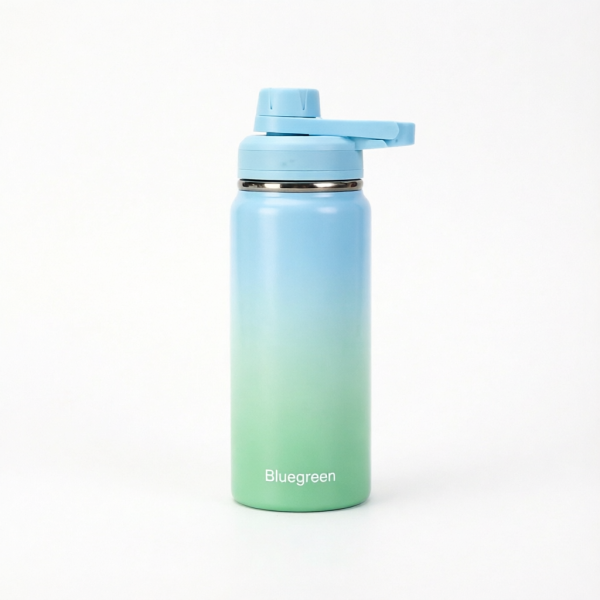
Kids’ drinkware sits at the intersection of product safety, everyday ergonomics and a very competitive shelf. The strongest programs start with a clear use case, then turn those decisions into a product family that feels unmistakably yours.
Whether you are a lifestyle brand, school supplier, distributor or retailer, the brief should make the buying decision easier for parents and children alike.

1. Start with the daily use case
The right cup for a school bag is different from the right cup for a family day out. Define where the product will live, how it will be carried and how it will be cleaned.
- School and daycare: light weight, leak resistance and easy cleaning come first.
- Travel and outdoor: a secure carry loop and durable finish earn their place.
- Gift and lifestyle: color and tactile details help the product stand out.
Age range should influence opening force, mouthpiece size, grip diameter and how small parts are secured.
2. Build safety into the product brief
Ask for materials, food-contact components, testing route and cleaning instructions for the exact configuration you plan to sell.
Ask for the details behind the claim
Request a component list, sample approval record and documentation that matches the final color, lid and decoration process.
3. Make customization useful, not noisy
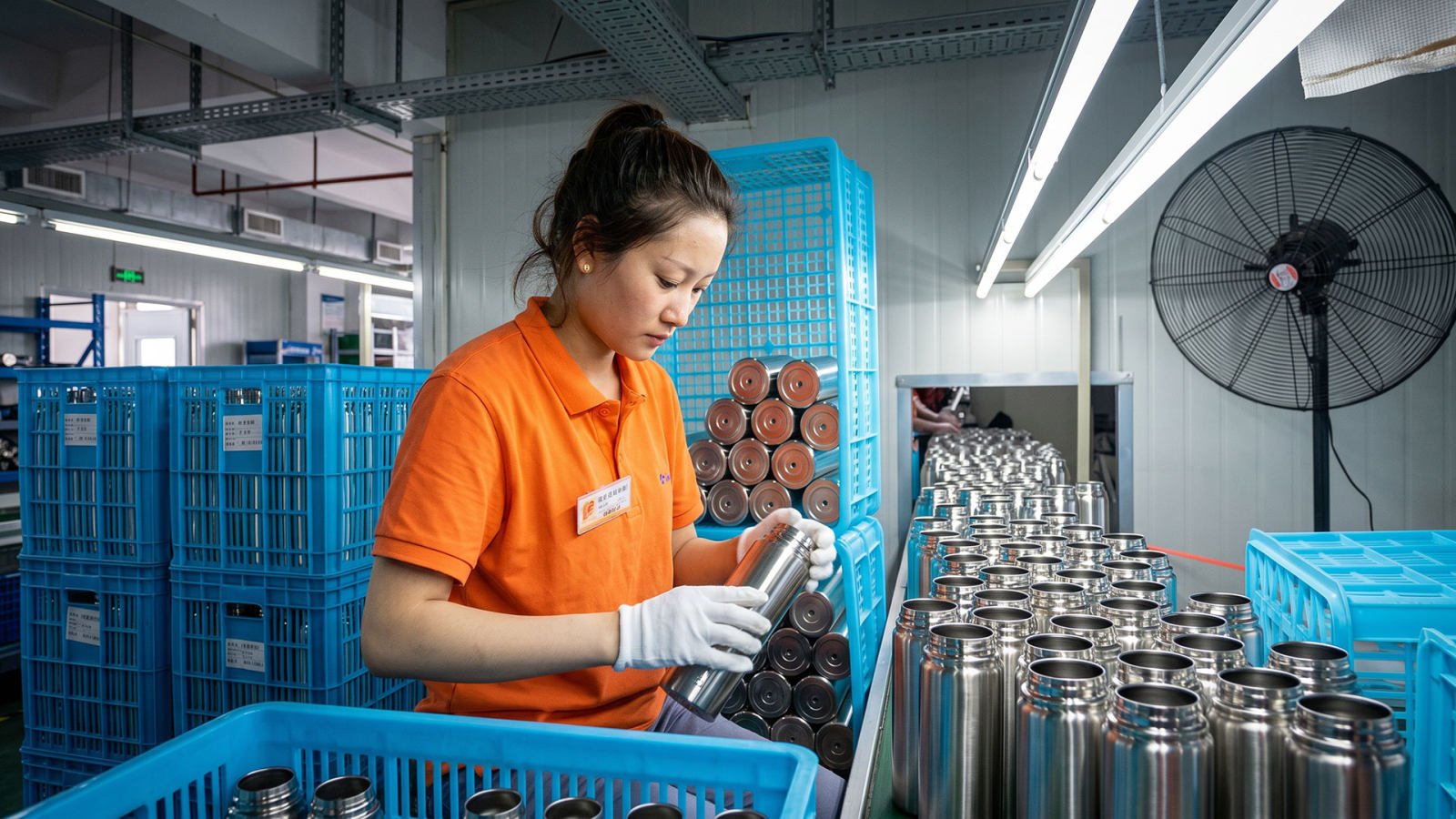
Custom does not have to mean complicated. A focused palette, well-placed logo and one tactile detail can create a stronger family than a crowded graphic treatment.
4. Plan for the next reorder
Confirm approved color references, packaging files, spare-part policy and inspection checkpoints before production starts.
Choose a platform you can explain in one sentence, customize in three decisions and reorder without reopening every specification.
A simple brief checklist
- Target age range and primary use context
- Capacity, lid style and cleaning requirements
- Material, testing and documentation expectations
- Color references, logo placement and decoration method
- Packaging, quantity, delivery window and reorder plan
With these decisions documented, a supplier conversation becomes much more productive.